
Where Every Build
Becomes a Benchmark

The Kolkata CFS Case Study
Project for Allcargo Terminals
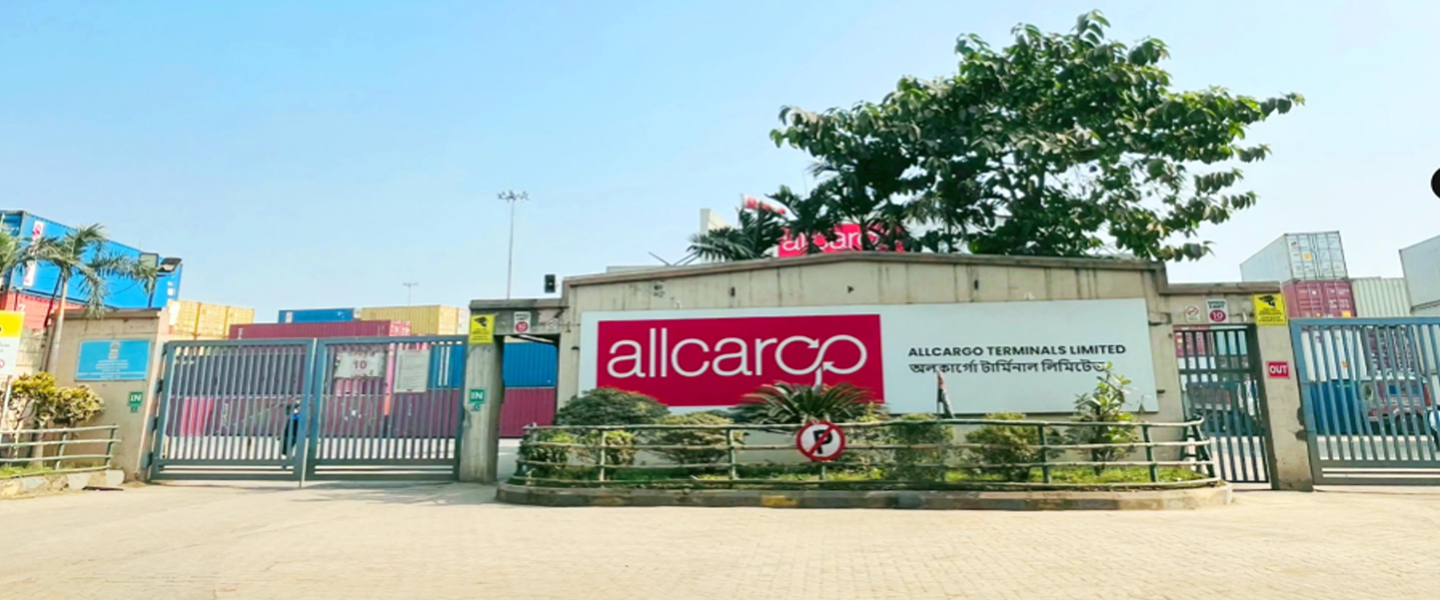
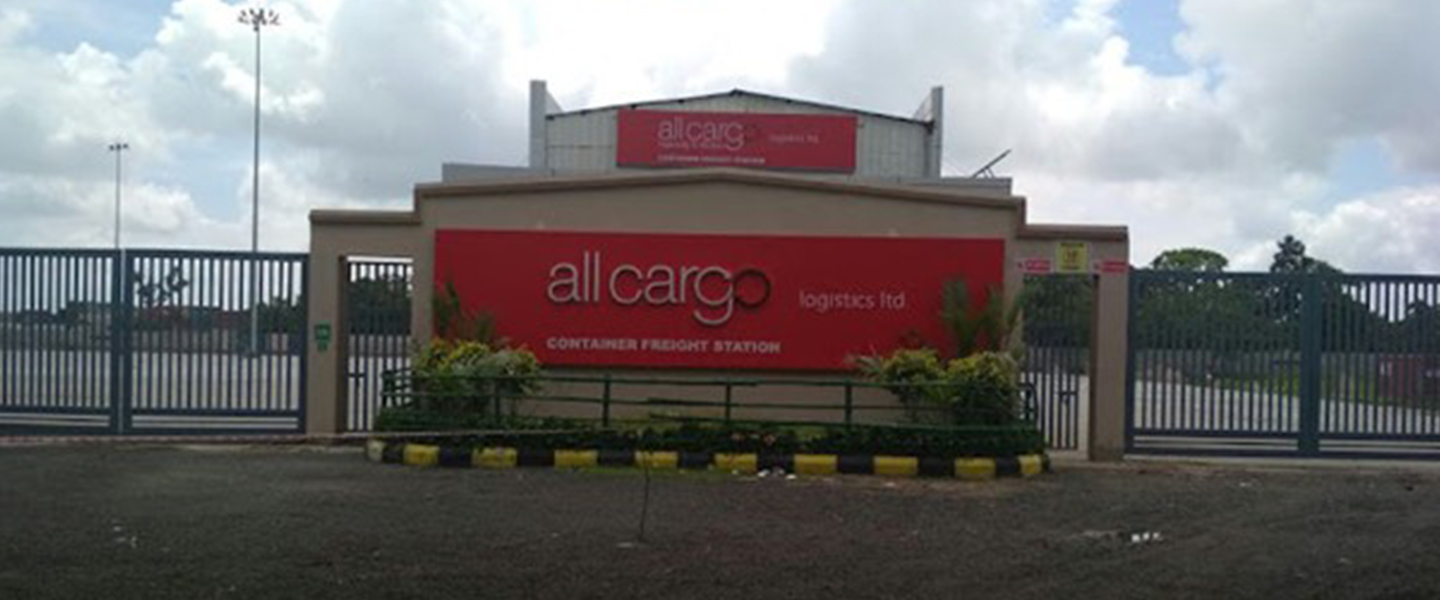
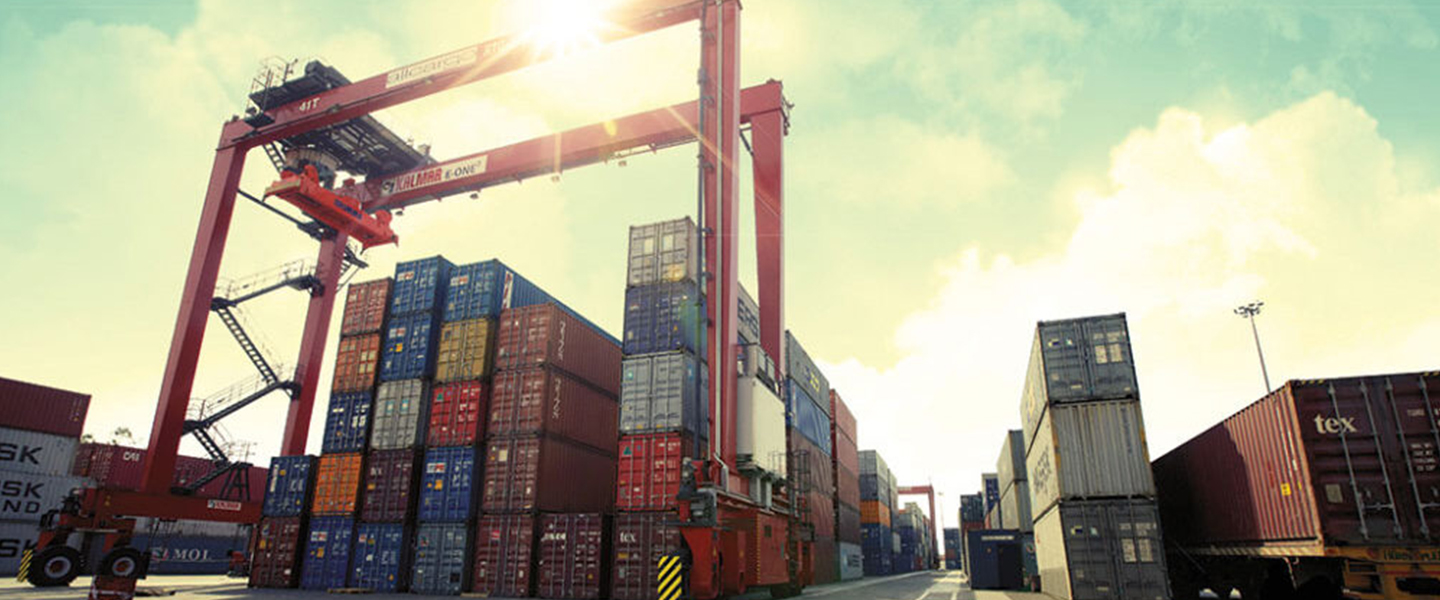
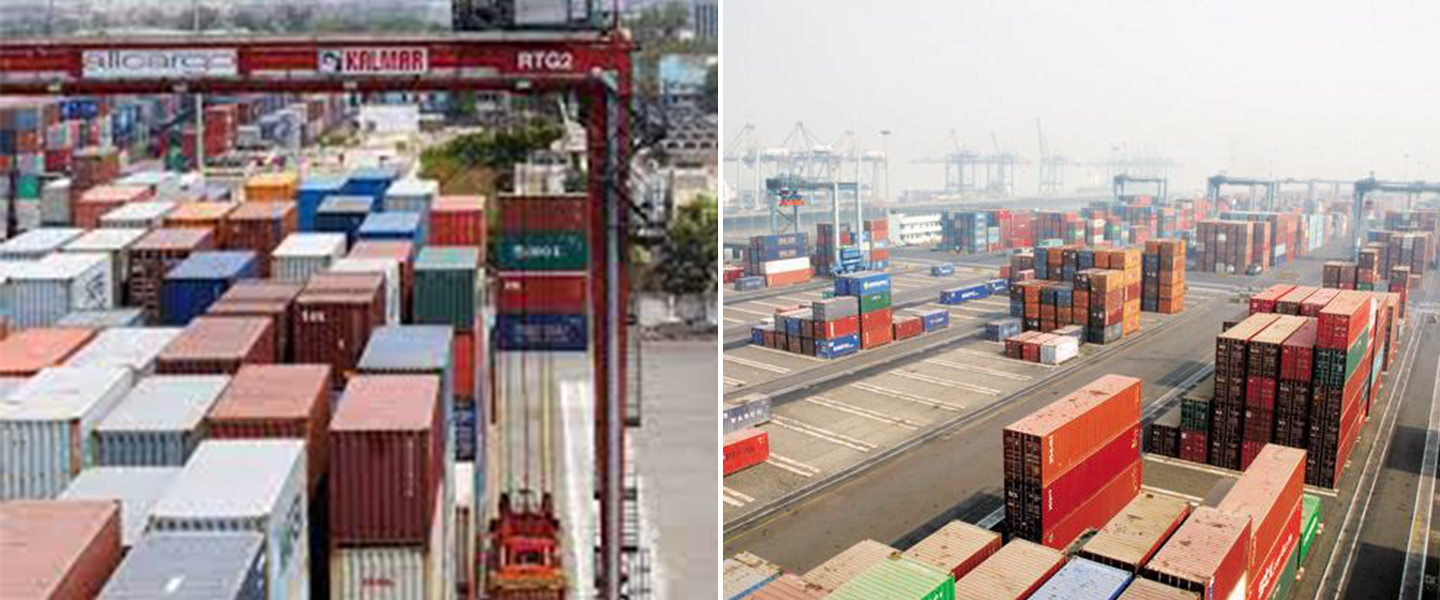
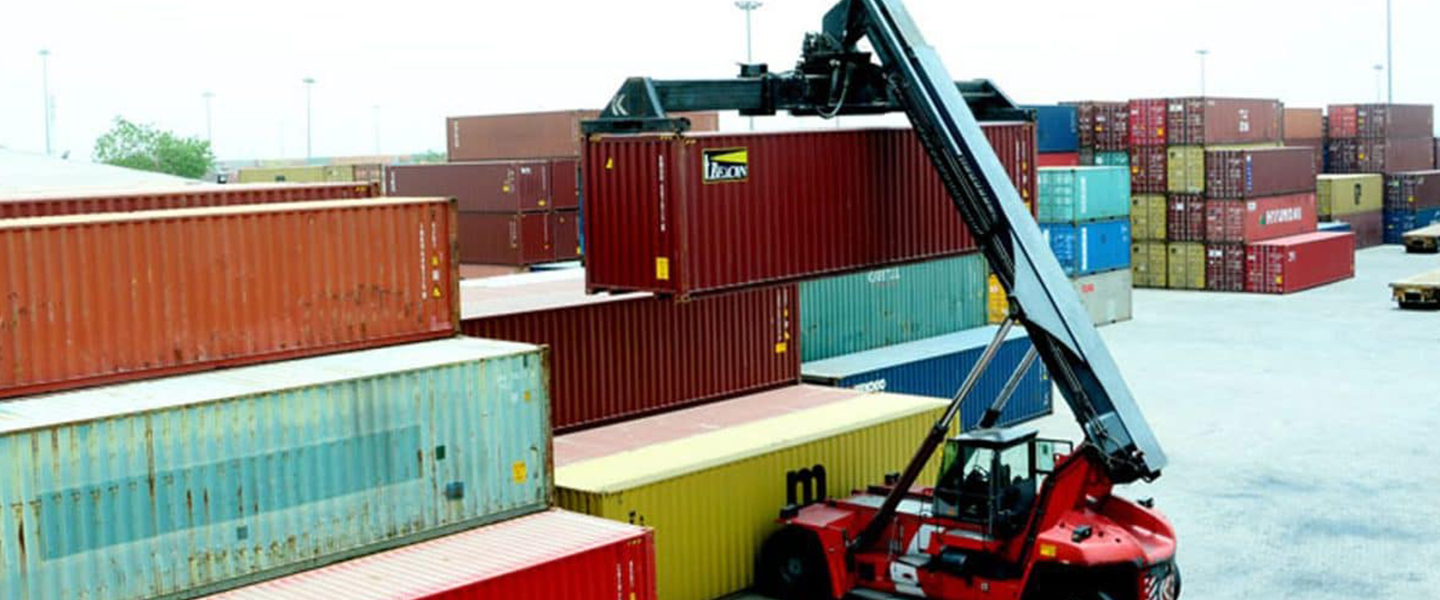
The Kolkata CFS (Container Freight Station) project was a strategic infrastructure initiative by Allcargo Logistics Limited, aimed at expanding their operational capacity and enhancing logistics efficiency in the region. As an EPC contractor for industrial projects, we successfully delivered the facility on a fast-track schedule, supporting India’s broader goals of economic growth and efficient trade. The project included a 4,340 sqm warehouse, 630 sqm office, 38,000 sqm container yard, and 800 sqm of ancillary buildings, completed within 11 months. Sustainability was prioritized through energy-efficient systems, waste management, and optimized cargo handling, making it a model for green logistics infrastructure.
Safety Compliance

24/7 security checks and CCTV surveillance.

Security guards were appointed to check for the material and labour incoming.

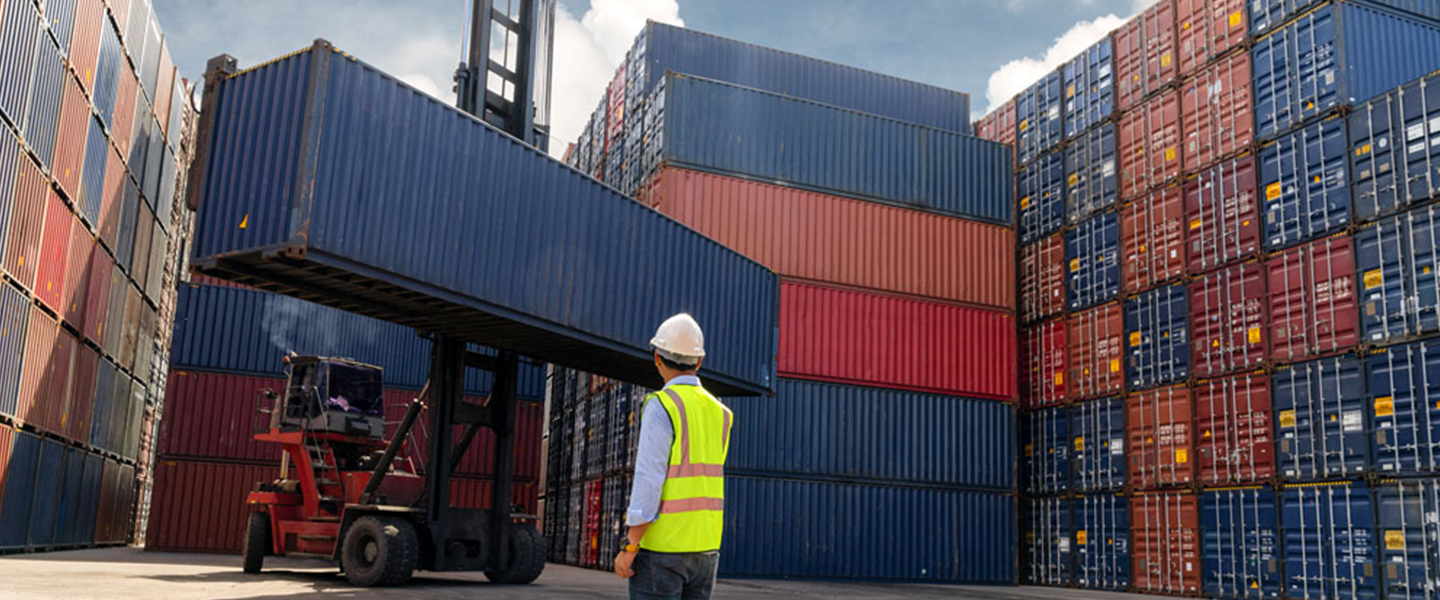
Usage of safety belts / helmets / safety jackets / safety shoes during executions.

Safety gear mandatory for all site workers.

Warehouse, including office, is covered with firefighting system, which includes fire sprinkler, fire hydrants, fire extinguishers, fire pumps, and fire alarm system.

Security guards check for safety shoes at entry gate for labors, and labors below 18 years are strictly not allowed to enter the premises.

Age restrictions and strict PPE enforcement.

Mandatory use of PPE and safety checks at entry.

Usage of toughened glass to restrict injury during breakage.

Regular safety training and site supervision.

Zero fatalities and only one minor injury reported throughout the project duration.
Challenges Faced

Local Disruption
& Delay
At this location, site progress was severely affected by local resistance and hostility, causing a 5-month delay.

Geotechnical issues
& soil conditions
The soil test results indicated extremely poor soil bearing capacity and CBR values. Consultants recommended bored cast-insitu piles or soil stabilization using PVD (band drains), which was extremely timeconsuming and would delay the entire project.

Material and Time
constraints
The original stabilization method would require installation of 80,000 band drains across the site, followed by loading/unloading with fill material.
This would take more than 8 months to complete.
Solution Development & Project Outcomes
To overcome the challenges, engaged with local stakeholders through social interaction, understanding concerns, and building trust to resume, regain lost time and accelerate progress. A detailed evaluation of alternative ground improvement techniques was carried out. While band drains were used for critical structures like the warehouse, canteen, and weighbridge, the team needed a more efficient solution for the vast yard area. After consulting with multiple specialists and verifying options through IIT Mumbai, a new design was finalized and approved by IIT Mumbai using a combination of geo-textile, geocell, and geo-grid systems. This solution not only met the structural requirements but also significantly improved construction speed and quality.
To regain lost ground and accelerate the timeline, the following strategies were employed:
Design changes:
Adopting a geo-textile-based stabilization system allowed for faster execution without compromising engineering integrity, resulting in a time saving of 1.5 months and significant cost reduction.
Quality control:
CBRE, a Fortune 500 PMC firm, was onboard to monitor construction quality. A fully equipped in-house lab and external ISO-certified labs conducted material testing. Checklists and QA processes were implemented rigorously.
Cost optimization:
- Original PVD plan was replaced by geo-systems for non-critical areas.
- Redesign allowed the use of readily available local fill materials (<10 mm metal mix).
- Cost savings of INR 4.25 Cr achieved without affecting performance.
Vendor selection:
Quality-conscious vendors were chosen, many with recognized certifications.
Evaluation and Results
Environmental initiatives:

Fly ash used in concrete mixes.

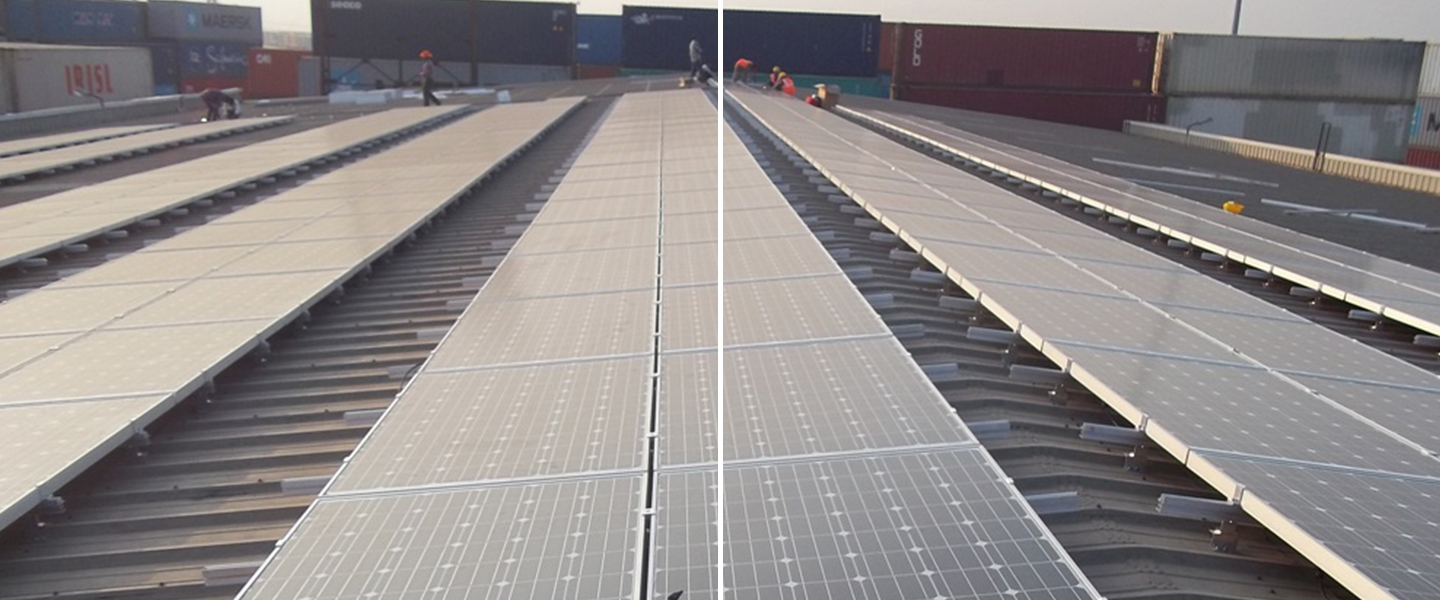
4% skylight coverage on warehouse roof to reduce daytime lighting needs.

Turbo vents providing 6 air changes per hour.

Energy-efficient LED lighting and sensors.

Glass films to reduce solar heat gain.

Yard design eliminated concrete use, promoting sustainable construction.

Green landscaping and rainwater management at entry and sides.
Innovation
For the first time in the industry, a 38,000 sqm yard was stabilized using geo-cell and geo-grid technology in a very short duration of time & with very easily available local filling material (<10mm Metal Mix). The new design was implemented rapidly using easily sourced local materials.
What We Delivered
The Kolkata CFS project stands out as a landmark accomplishment in fast-track industrial project execution. By embracing innovations, such as using geo-grid-based soil stabilization, and enforcing strict quality and safety standards, Conservve Buildcon delivered the project before time despite major initial setbacks. It became a benchmark for efficient, safe, and sustainable CFS construction in India.


